August 2025
How to implement garment pattern quality control as a designer
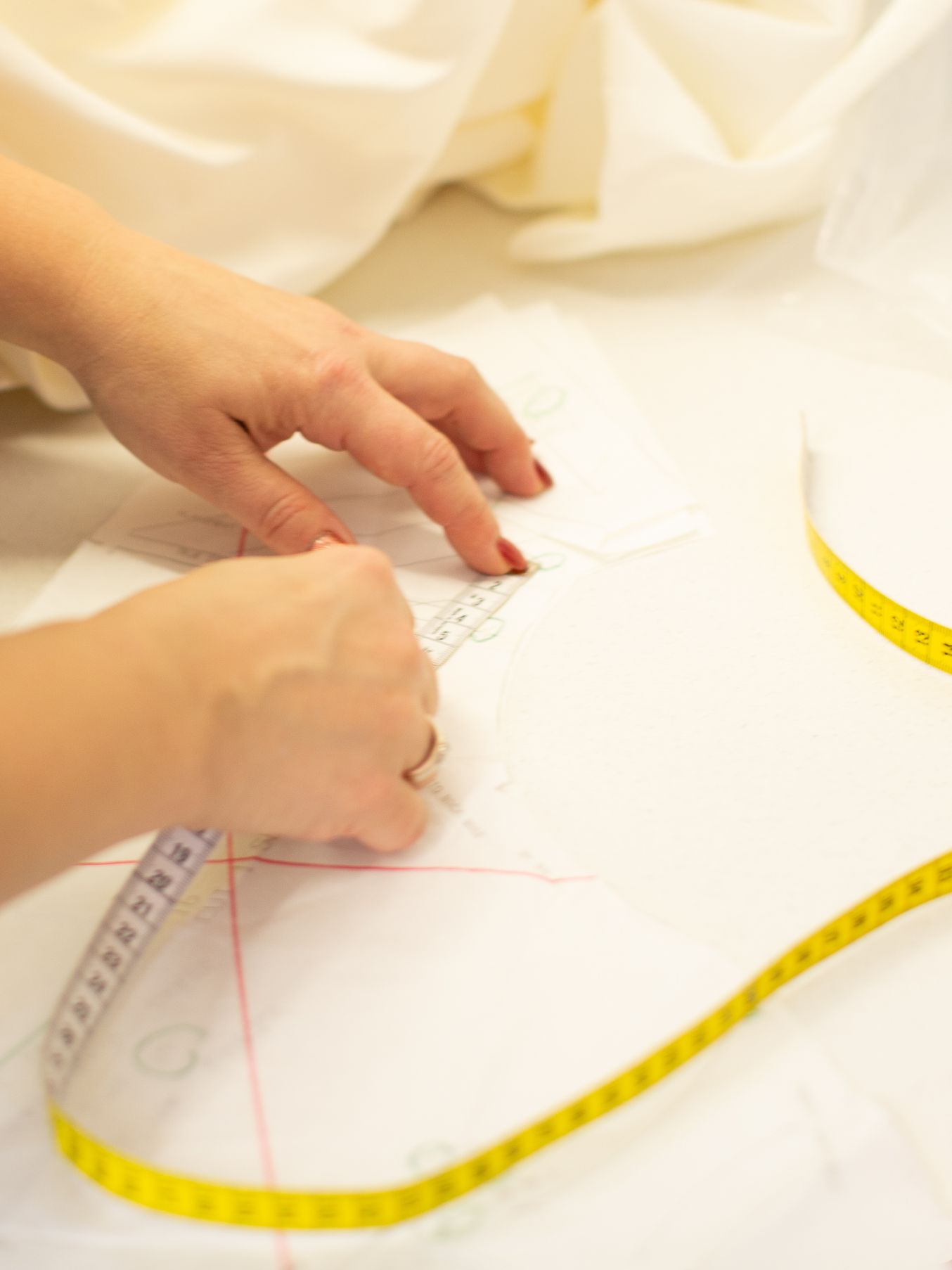
Garment pattern quality can make or break your fashion brand. A single mistake in pattern accuracy can cost thousands in production delays, fabric waste and customer returns, and all of it is preventable with proper pattern quality control.
If you're running a fashion brand, you'll know that garment patterns are the blueprints for everything you create. They guide manufacturers through every stitch, seam and measurement. When pattern quality is maintained, production runs smoothly. When it isn't, the consequences ripple through your whole operation.
The real cost of poor pattern quality
Inaccurate patterns don't just affect how your garments look. They can derail your entire production schedule. Here's what typically goes wrong.
Production delays happen when factories have to stop and query unclear instructions or incorrect measurements. Fabric waste happens when pieces don't align, forcing you to reorder materials. Quality issues appear as twisted seams, uneven hems and poor fit, all of which damage your brand's reputation.
Perhaps most painfully, returns and negative reviews follow when garments don't meet expectations. All of these problems trace back to patterns that weren't properly checked before production began.
Why designers must take control
Many designers assume that hiring a pattern cutter means they can step back from the technical details. This is a costly mistake.
I regularly see patterns created by so-called experts with minimal experience of real manufacturing. They don't understand what factories actually need to work efficiently. Some pattern cutters provide too much information and confuse production teams. Others give too little, leaving critical decisions to chance.
Even experienced pattern cutters make mistakes, and as the designer, it's your brand on the line when things go wrong. You need to understand enough about pattern quality control to spot problems before they reach the factory floor.
A pattern quality control framework
Pattern quality control doesn't require years of pattern cutting training. What you need is a systematic approach that catches the most common, and most costly, mistakes.
The key is a thorough checklist that covers every critical element of your patterns. It makes sure nothing gets overlooked, even when you're working to tight deadlines or managing several collections at once.
What to check on every pattern
Measurements and sizing. Double-check them against your size chart. Even small discrepancies can produce garments that don't fit your target market.
Seam allowances. They need to be consistent throughout each pattern piece. Inconsistent allowances cause alignment problems that are expensive to fix during production.
Notches and matching points. They must be clearly marked and accurately positioned. They guide machinists in assembling the garment correctly, and if they're wrong, pieces won't line up.
Grainlines. They should be clearly marked on every pattern piece. The wrong grain direction changes how fabric drapes and can completely change the look of your design.
Pattern piece labelling. Every piece should be clearly labelled with size information, fabric requirements and any special instructions.
Seam construction notes. They help factories understand exactly how you want each join made, so nobody makes assumptions that compromise your design.
Working well with your pattern cutter
When you brief a pattern cutter, be clear about your target fit, construction methods and any special requirements. Ask to see their previous work on similar garments: a pattern cutter who specialises in tailored jackets might struggle with jersey knits.
During development, ask for regular updates and don't hesitate to ask questions if something seems unclear. A good pattern cutter will welcome your input and explain their decisions.
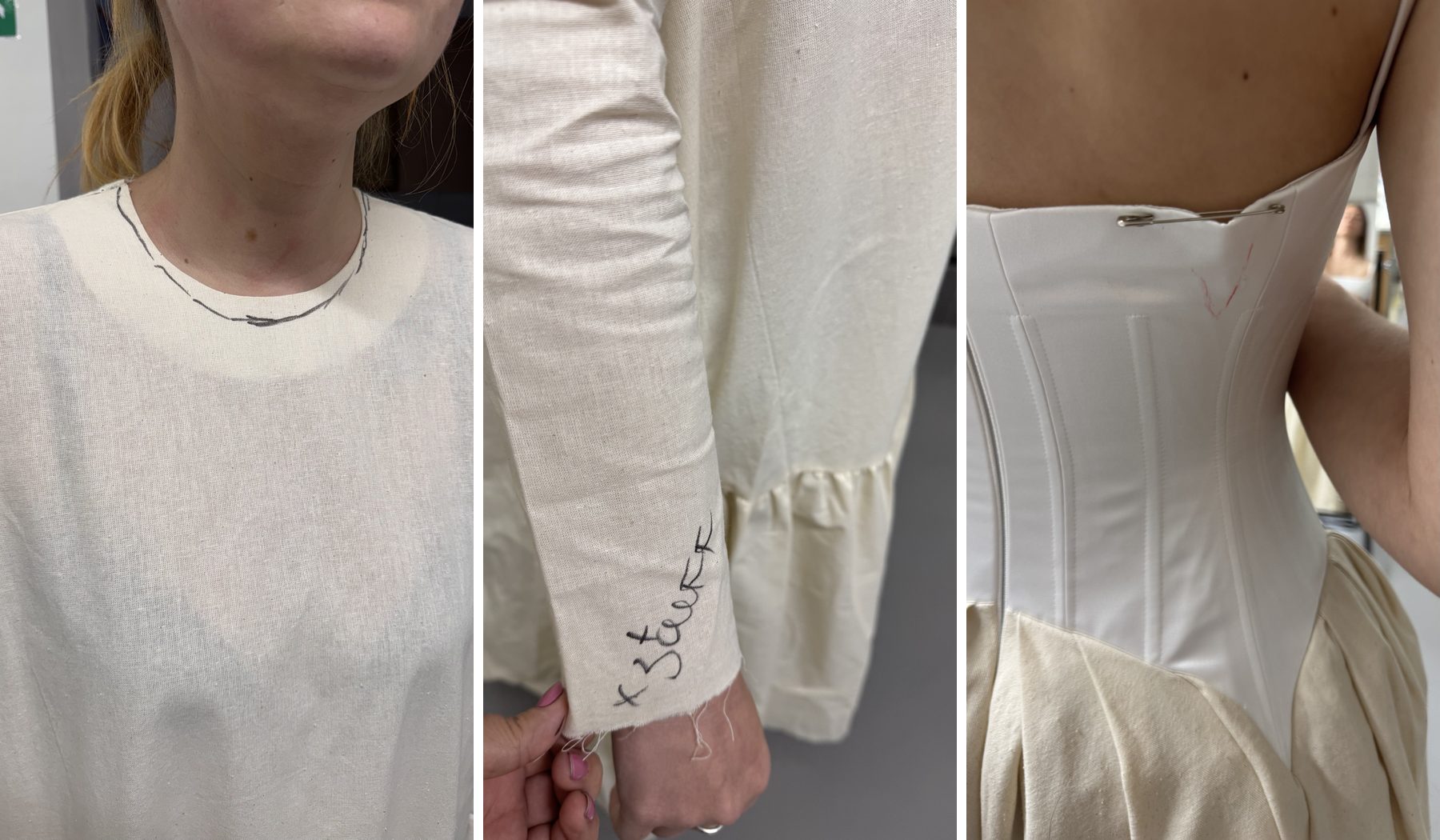
Most importantly, always ask for a test garment before approving patterns for production. A prototype reveals issues that aren't visible on paper.
Your next steps
Quality control might seem overwhelming at first, but you don't need to become a pattern cutting expert overnight. Focus on the fundamentals and you'll catch 90% of the issues that typically cause production problems.
Think of pattern quality control as insurance for your brand. Time spent reviewing patterns now prevents production delays, fabric waste and customer returns later.
Want help preventing costly production mistakes? Book a complimentary discovery session and we'll talk through your current process. No pressure, just a conversation to see if we're the right match.
Book a discovery session