October 2026
How to get the most from a fitting session
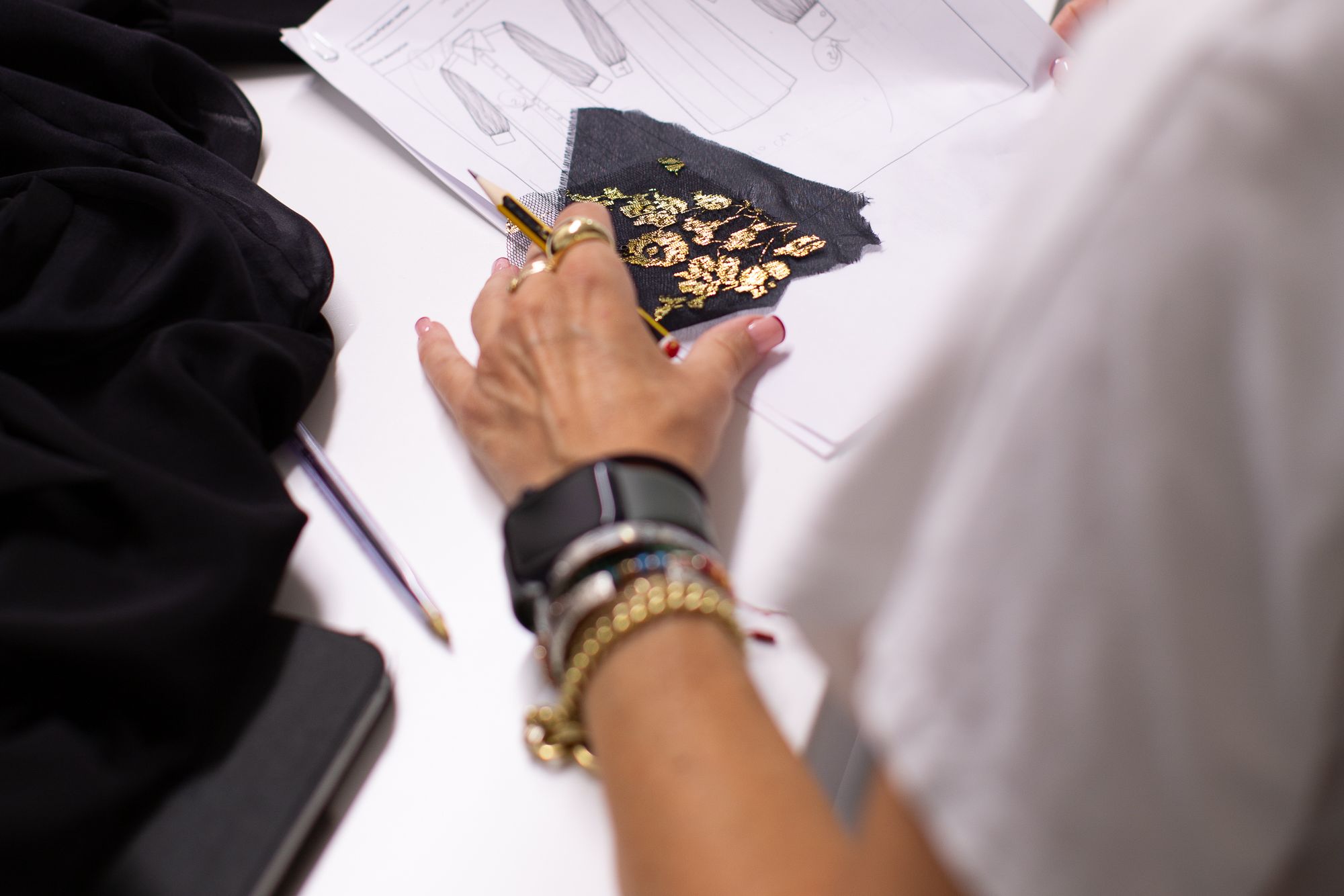
The toile is cut, sewn and in front of you. This is the moment your design stops being a drawing and starts being a garment, and most of the decisions that shape the final piece are made in this one session.
An experienced pattern cutter or fitting assistant will lead it. Your job is a little different: to look, ask questions and keep your own record of what's agreed.
First, the fit
We always start at the top, with the shoulders and neckline, and work our way down to the hem. The order matters. Move a shoulder seam by a centimetre and everything below it shifts too, so there's no point perfecting a waist before the shoulders sit right.
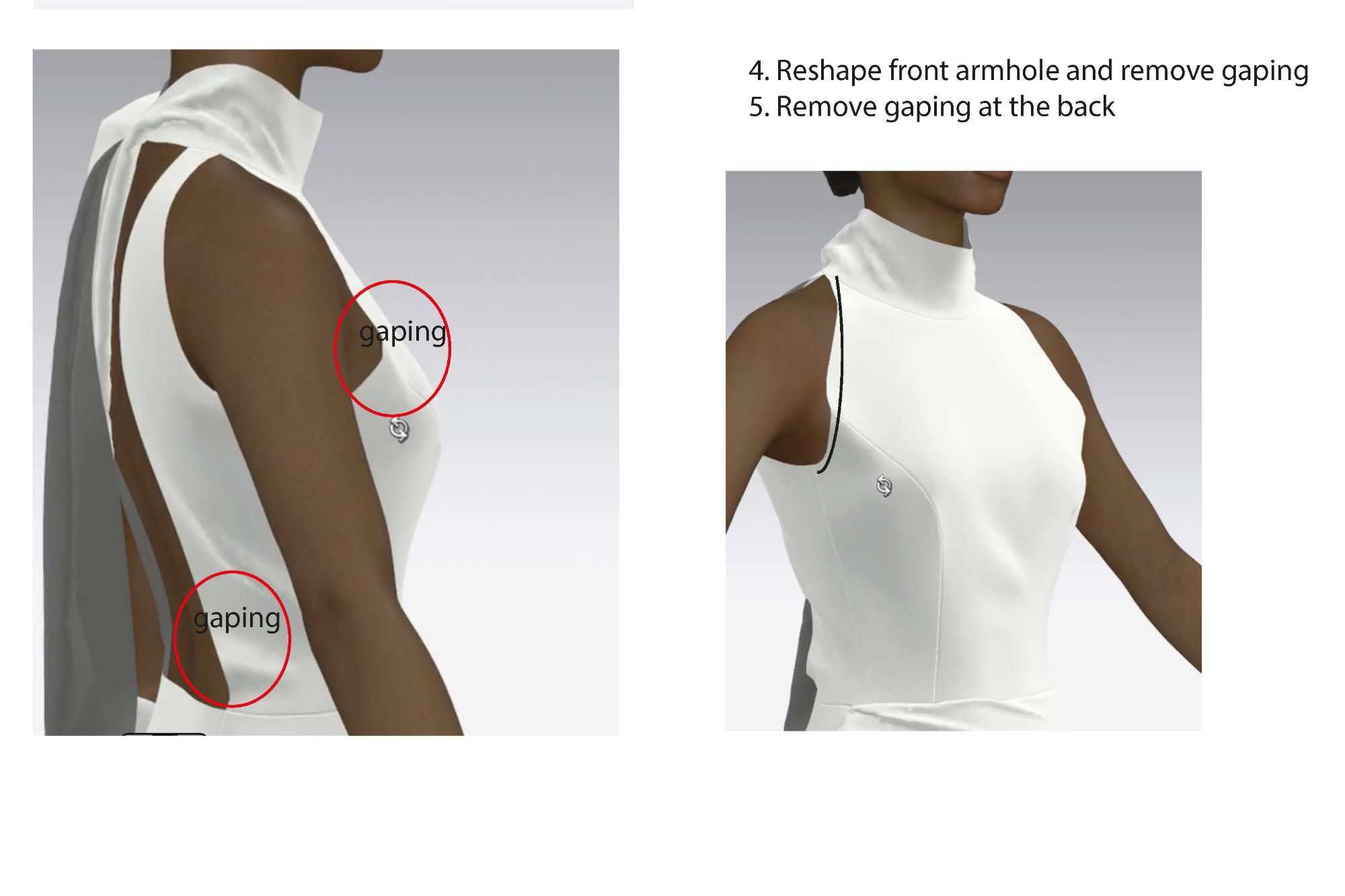
From there we look at the bust, armholes and sleeves, then the waist, hips and finally the length and the hemline.
Then, the design
Once the fit is sorted, we step back. Does it still look like your sketch? Are the proportions what you pictured? And does it sit comfortably with the rest of your collection, or has it drifted somewhere of its own?
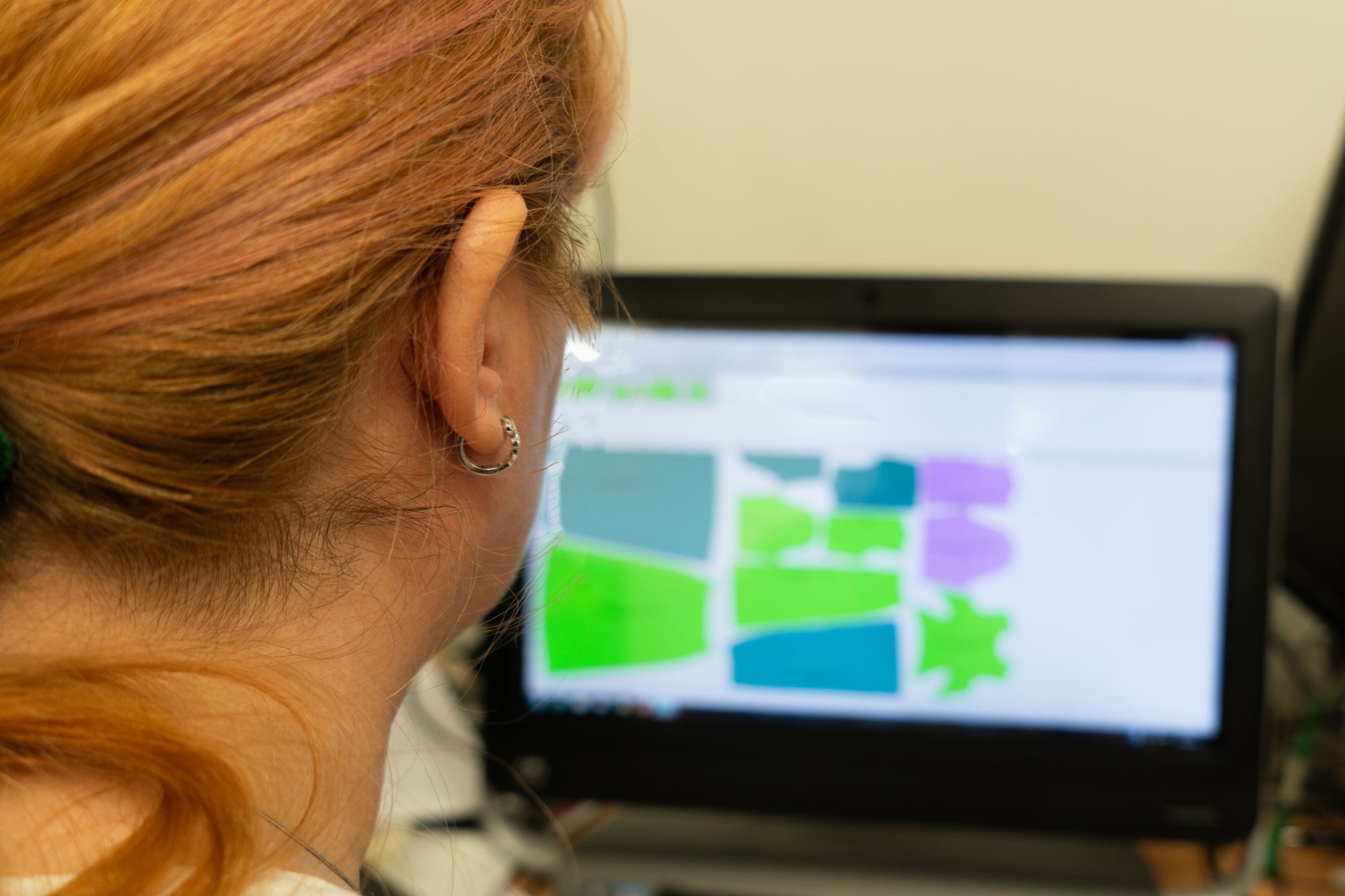
It's much easier to adjust a neckline or a pocket position now than once the pattern has been graded into six sizes.
The inside matters too
This is the best time to talk about internal finishes, because the garment is right there and everyone can see it. Facing depths, hem depths, whether it needs a full or half lining, where interlining goes and how heavy it should be.
These details rarely show from the outside, but they change how a garment hangs, how it feels on and how it's made in production. Leave them until later and they're easy to forget.
Why your own notes matter
One thing we see again and again is designers relying entirely on us to take the notes. It feels natural. We're the ones pinning and measuring, after all.
Here's how it tends to go wrong. After the fitting we send our comments over for approval. Without notes of their own, the designer approves everything based on what they remember from the session. Then, weeks later, when the pattern is finalised, they realise something was missed. A pocket that was meant to move. A lining they'd changed their mind about.
By then, fixing it costs time and money.
What a good fitting looks like
The ideal is simple. You log your own notes during the session, then email us a clear list of what needs to be done. We check it against ours, and anything that doesn't match gets sorted before a single line is redrawn.
Two sets of notes almost always catch what one set misses.
Take photos, lots of them
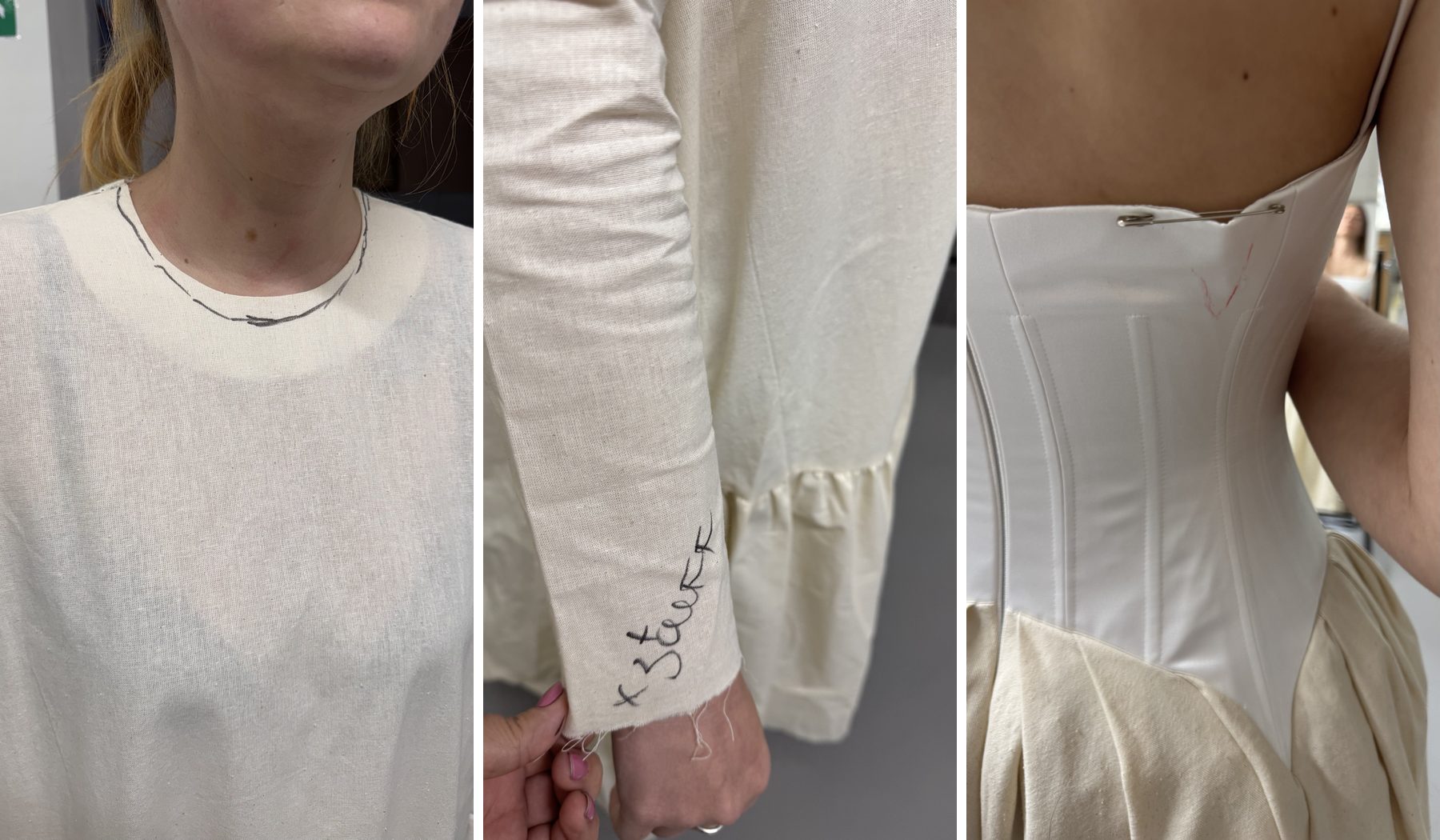
Photograph the garment front, back and side before the fitting starts, and again at the end. It gives you a clear before and after to compare against when the next toile or sample arrives.
And for every alteration, take a photo before it's pinned and another once it is. A picture of a pinned dart tells you far more three weeks later than "take in dart 1cm" ever will.
Measure twice, cut once, and take your own notes. If you'd like to talk through how fittings work with us, book a discovery session.
Book a discovery session